Pipa

A fretted, pear-shaped Chinese lute. Plucked attacks and repeated notes make its phrasing especially varied.
What to listen for
Compare the first attack with the fading resonance; follow how repeated notes or slides connect the phrase.
AKARA / Music & culture
Artist profiles and an introduction to the instruments, sounds and playing traditions.
01Lanna music · Ensemble traditions
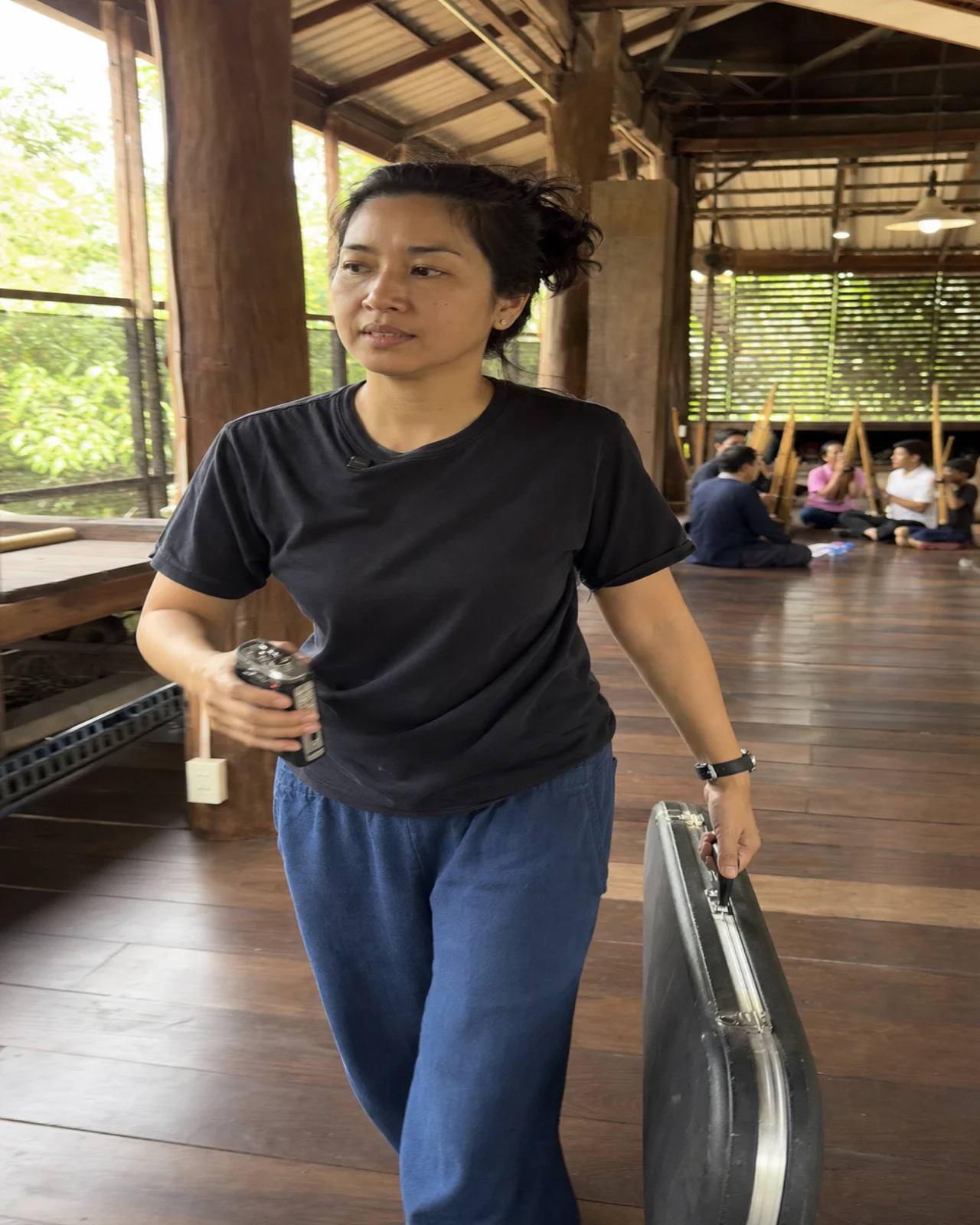
Sueng · Pi jum
Sueng and pi jum bring plucked strings and sustained reed tones together in northern Thai ensemble music.
Read profile
02Sarangi · Melody & bowing
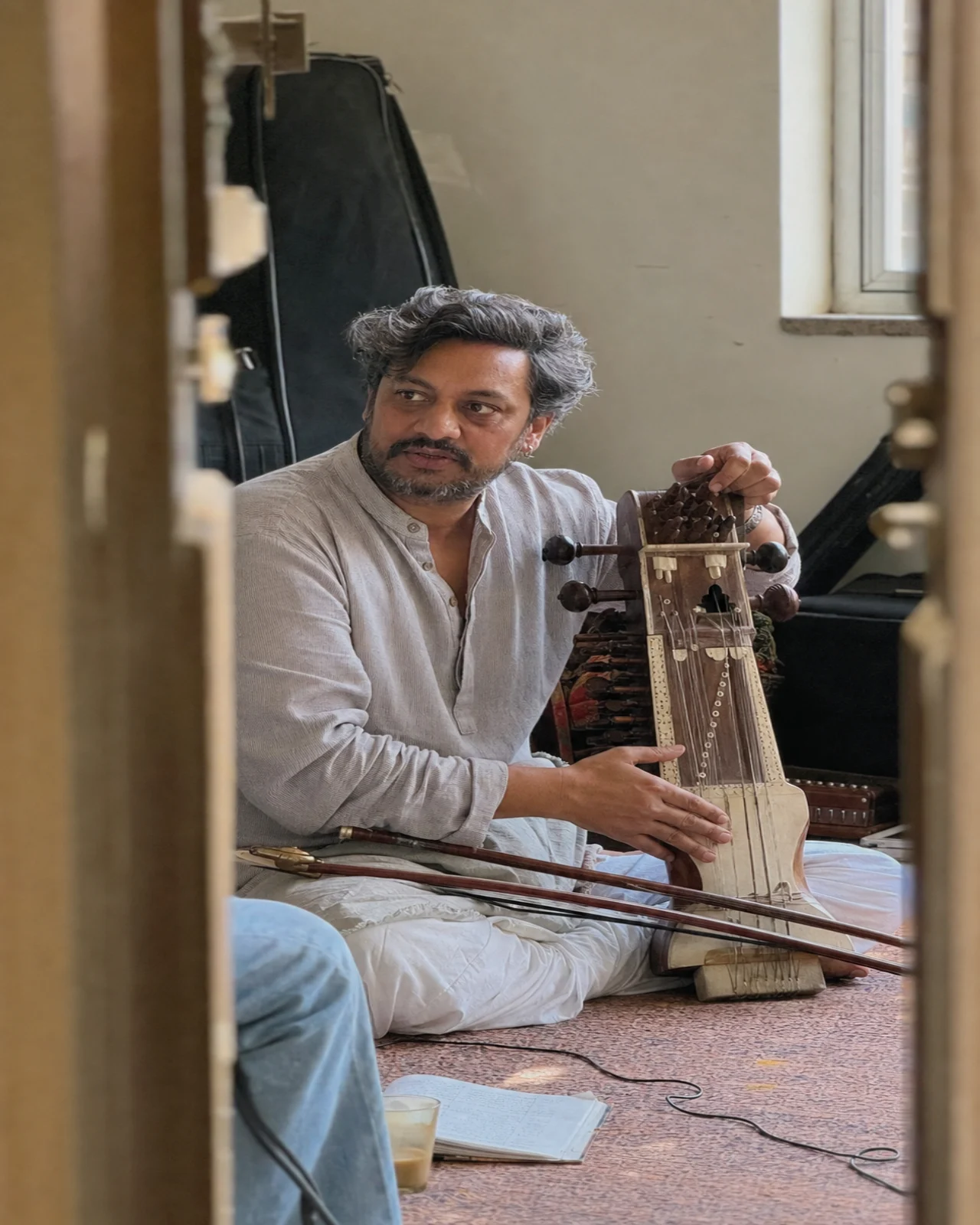
Sarangi · Tabla
Sustained notes and sliding pitches give the sarangi a voice-like quality. Bow pressure shapes the melody as tabla responds with rhythm.
Read profile
03Javanese gamelan · Ensemble music
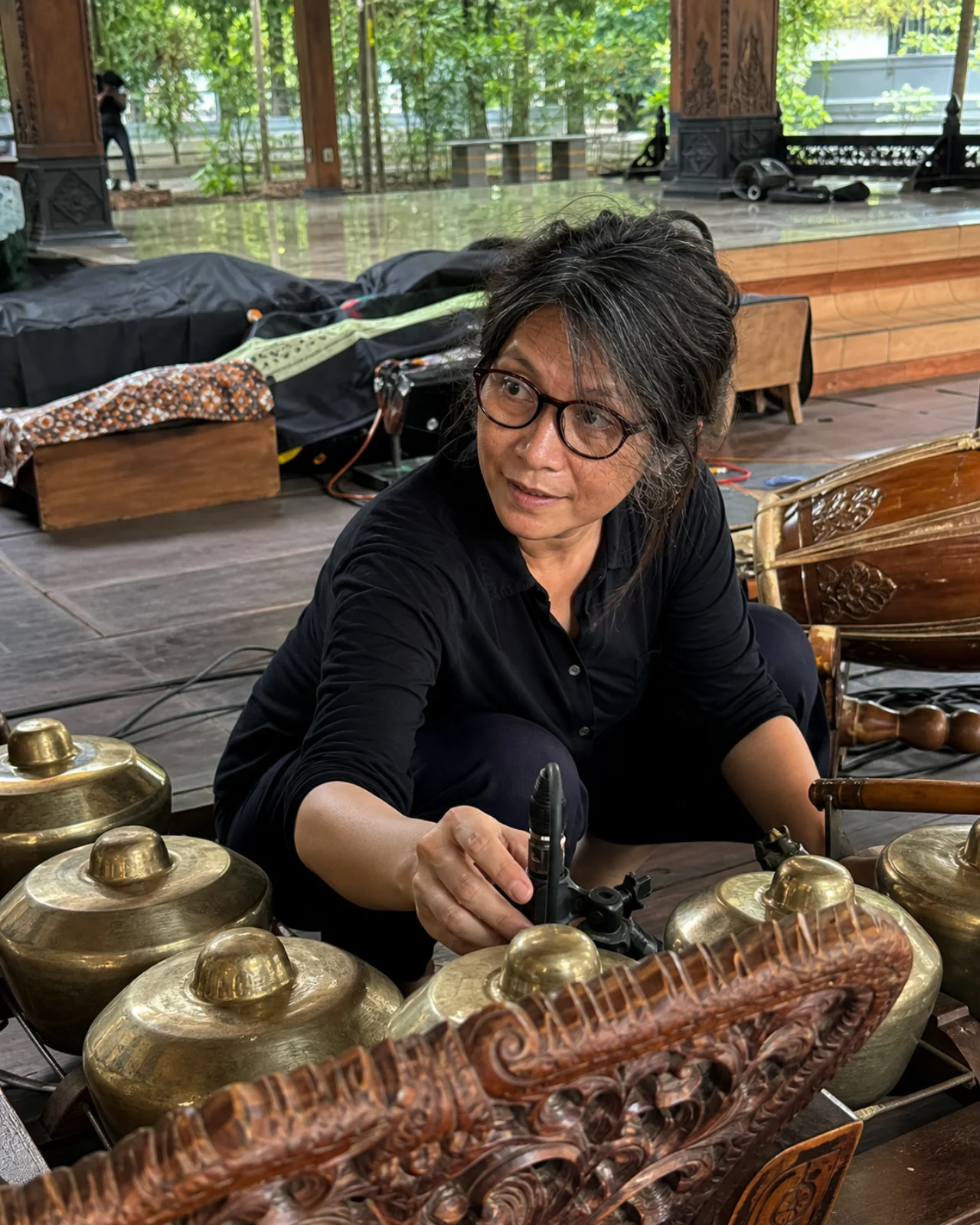
Bronze percussion · Kendang
In Javanese gamelan, bronze percussion overlaps in rhythm and resonance. Kendang guides the pace, connecting the parts of the ensemble.
Read profile
04Nanyin · Phrasing & ensemble
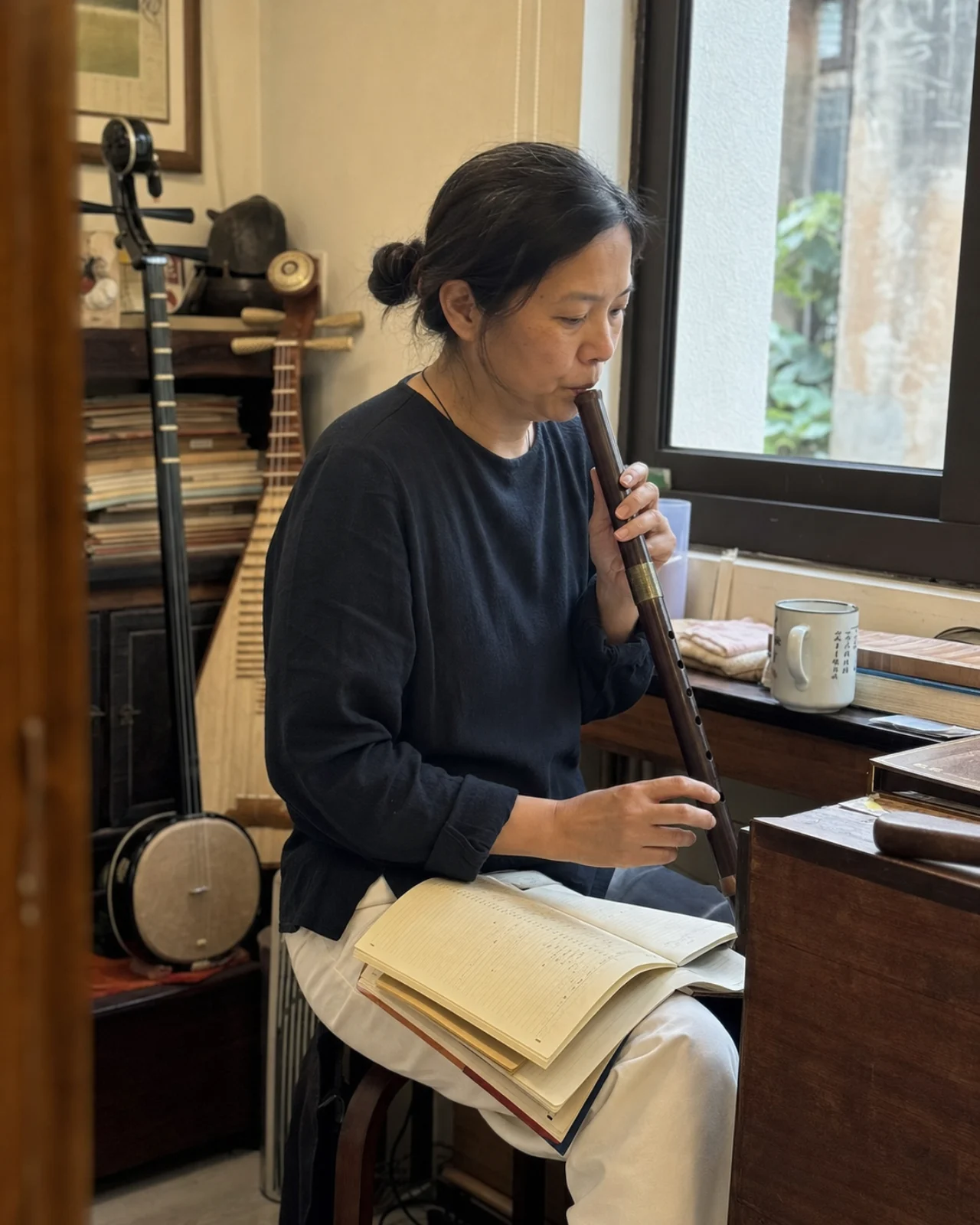
Dongxiao · Sanxian
Breath, plucked strings and measured ensemble playing shape Nanyin. Pauses and phrase endings carry as much meaning as the notes themselves.
Read profile
05Tsugaru shamisen · Rhythm & improvisation
Tsugaru shamisen · Bachi
A strike of the bachi gives Tsugaru shamisen its sharp attack. String resonance, changes in rhythm and contrasting dynamics carry the phrase forward.
Read profile
06Yue opera · Voice & accompaniment
Yueqin · Opera percussion
In Yue opera, singing, stage movement and instrumental cues work together. A vocal phrase or percussion cue gains meaning from the action around it.
Read profileExplore China and the sounds of Asia through instruments, playing traditions and documented images.
108 entries with images & sources
Regions and traditions describe documented associations, not exclusive origins or a complete map of use. Rarity is an editorial guide to how often a general audience may encounter an instrument: widely encountered, regional, or less often encountered. It is not a census of players, an endangered status or a heritage classification. Historical images and specimen differences are identified in captions.

A fretted, pear-shaped Chinese lute. Plucked attacks and repeated notes make its phrasing especially varied.
Compare the first attack with the fading resonance; follow how repeated notes or slides connect the phrase.

A seven-string zither without movable bridges. Open strings, stopped notes and harmonics offer contrasting colours.
Compare the first attack with the fading resonance; follow how repeated notes or slides connect the phrase.

A bridged Chinese zither, commonly with 21 strings today. Plucking and pressing the strings create ringing notes and bends.
Compare the first attack with the fading resonance; follow how repeated notes or slides connect the phrase.

A two-string fiddle with the bow hair passing between its strings. Bowing and left-hand slides shape a continuous melody.
Follow one long note: listen for changes in bow pressure, pitch and the transition into the next note.

A transverse flute, usually bamboo. On traditional dizi, a thin membrane contributes a bright, buzzing edge to the tone.
Listen to the breath at the start and end of a phrase, and how fingering or embouchure changes the sustained tone.

A mouth organ with multiple free-reed pipes. It can sound several pitches together, supporting both melody and harmony.
Listen to the breath at the start and end of a phrase, and how fingering or embouchure changes the sustained tone.
THE AKARA TEAM
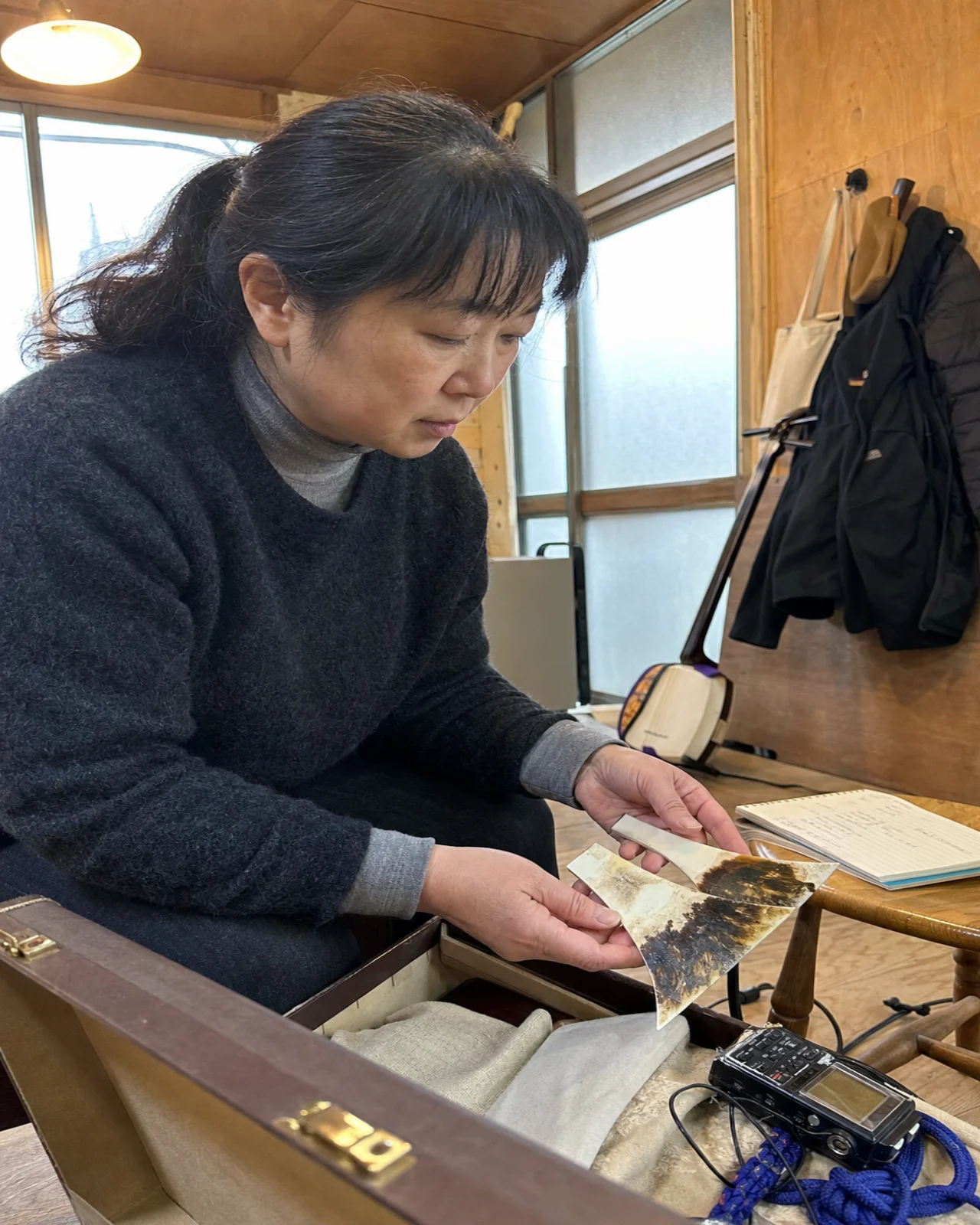
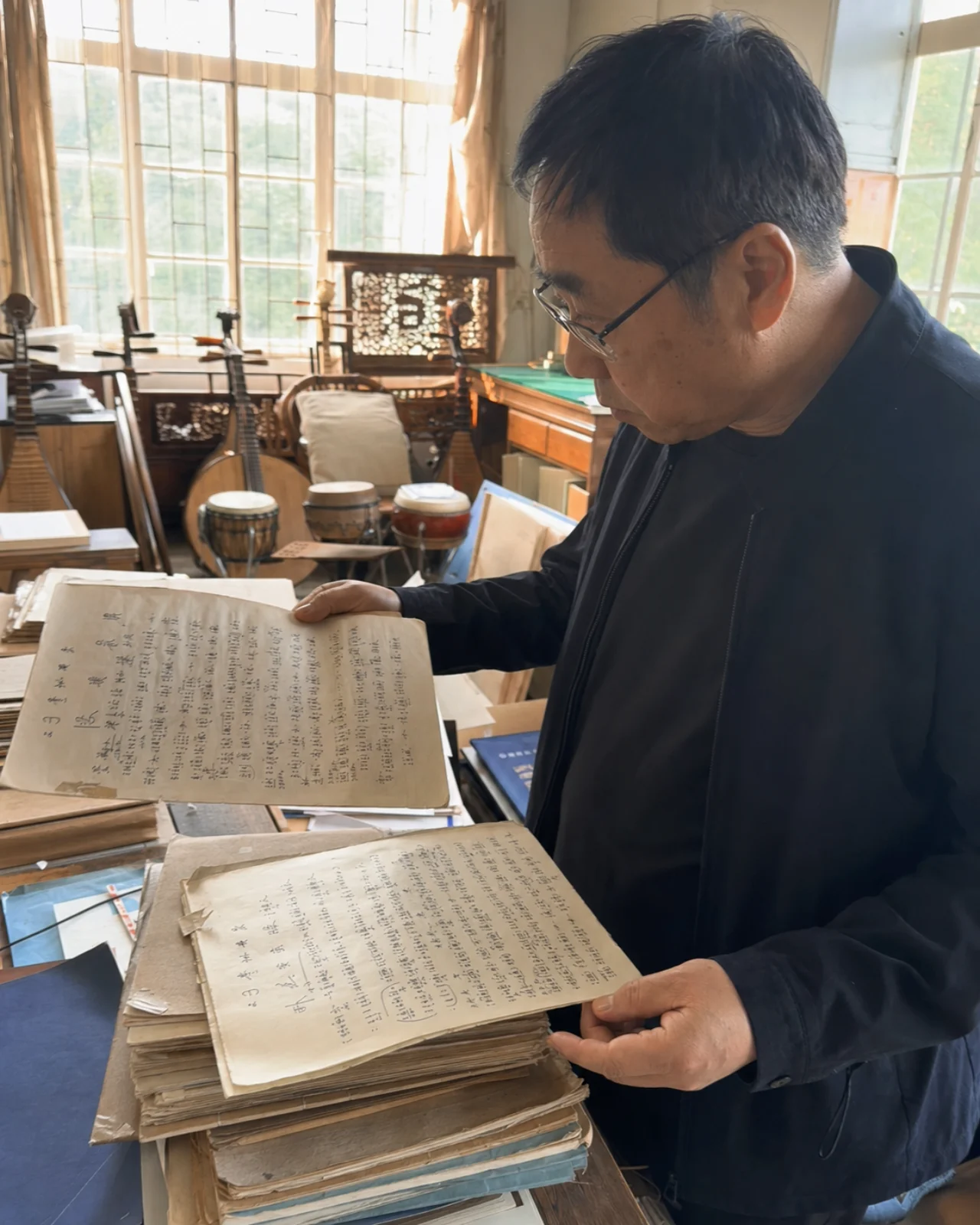
For each session, performers and local contributors help choose the material and explain its background. AKARA handles recording, editing and file preparation.
Choose the material, explain the musical background and agree on descriptions, credits and permitted uses.
Record the session, select takes and check the edits. Keep the original files and a record of changes.
Keep file lists, source notes and access conditions together. Prepare delivery files and license information for material intended for the catalog.